

Top 5 Emergency Restoration Tips for Homeowners
When disaster strikes, whether it’s a burst pipe, a fire, or severe weather, homeowners often find themselves in a state of panic. Knowing how to respond quickly and effectively can make a significant difference in minimizing damage and ensuring safety. Here are the top five emergency restoration tips every homeowner should know.
Assess the Situation
The first step in any emergency is to assess the situation. Take a moment to evaluate the extent of the damage and identify any immediate dangers. Here’s what to look for:
Safety Hazards: Check for downed power lines, gas leaks, or structural damage. If you suspect any hazards, evacuate the area and call emergency services.
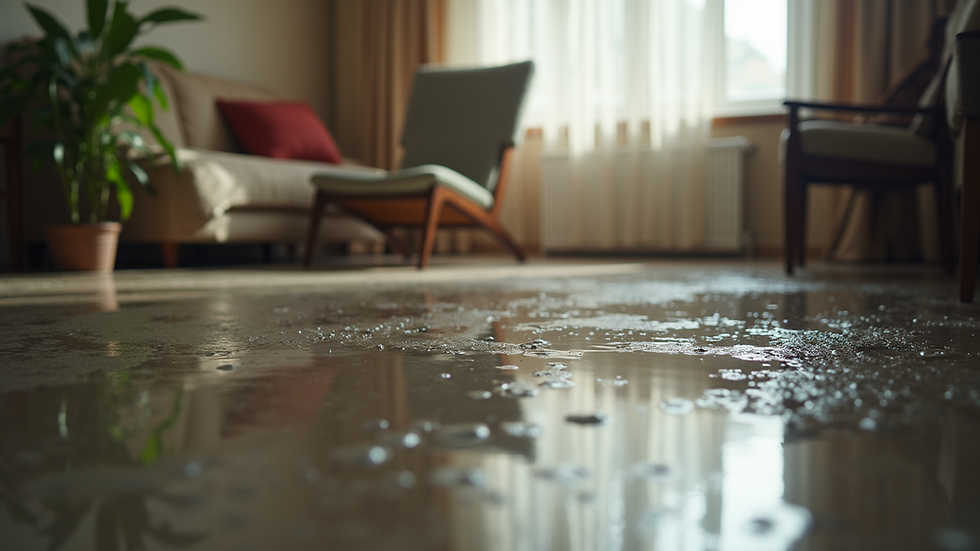
Water Damage: If there’s flooding, determine the source. Is it a burst pipe, a leaking roof, or something else? This will guide your next steps.
Fire Damage: If there’s been a fire, ensure that it’s completely out before entering the space. Look for smoke damage and structural integrity.
By taking a moment to assess the situation, you can make informed decisions about how to proceed.
Document Everything
Once you’ve ensured safety, it’s crucial to document the damage. This will be invaluable for insurance claims and restoration efforts. Here’s how to do it effectively:
Take Photos: Use your smartphone or a camera to capture images of the damage from multiple angles. Focus on specific areas that show the extent of the issue.
Make Notes: Write down details about the incident, including the date, time, and any conversations with emergency responders or witnesses.
Inventory Damaged Items: Create a list of damaged or destroyed items, including their approximate value. This will help when filing your insurance claim.
Having thorough documentation will streamline the claims process and ensure you receive the compensation you deserve.
Contact Your Insurance Company
After documenting the damage, reach out to your insurance company as soon as possible. Here’s what to keep in mind:
Know Your Policy: Familiarize yourself with your coverage. Understand what types of damage are covered and any deductibles you may need to pay.
File a Claim: Provide your insurance company with the documentation you gathered. Be clear and concise in your explanation of the incident.
Follow Up: Stay in touch with your insurance adjuster. They may need additional information or access to your property to assess the damage.
Timely communication with your insurance company can expedite the claims process and help you get back on your feet faster.
Begin Cleanup and Restoration
Once you have contacted your insurance company, it’s time to start the cleanup and restoration process. Here are some steps to follow:
Water Damage: If you’re dealing with flooding, remove as much water as possible using pumps or wet vacuums. Dry out the area with fans and dehumidifiers to prevent mold growth.
Fire Damage: For fire-damaged areas, remove any charred materials and ventilate the space. Use specialized cleaning products to eliminate smoke odors.
Structural Repairs: If there’s significant structural damage, consider hiring a professional restoration company. They have the expertise and equipment to handle complex repairs safely.
Taking prompt action can prevent further damage and reduce restoration costs.
Know When to Call Professionals
While some homeowners may feel comfortable tackling minor repairs, there are situations where it’s best to call in professionals. Here are some indicators:
Extensive Damage: If the damage is widespread or involves structural elements, it’s wise to consult a restoration expert.
Mold Growth: If you notice mold or mildew, especially in hidden areas, professional remediation is essential to ensure safety.
Complex Repairs: For electrical or plumbing issues, always hire licensed professionals to avoid further complications.
Knowing your limits and when to seek help can save you time, money, and stress.
Final Thoughts
Emergencies can be overwhelming, but being prepared can make all the difference. By assessing the situation, documenting damage, contacting your insurance company, beginning cleanup, and knowing when to call professionals, you can navigate the restoration process more effectively.
Remember, the key to minimizing damage and ensuring safety is acting quickly and decisively. Stay informed, and you’ll be better equipped to handle whatever challenges come your way.
Take these tips to heart and ensure your home is ready for any emergency. Your preparedness today can save you from significant headaches tomorrow.


Comments