

Before and After: Inspiring Restoration Project Transformations
Restoration projects can breathe new life into forgotten spaces, turning them into stunning showcases of creativity and craftsmanship. Whether it’s a historic building, a dilapidated home, or a neglected park, the transformation can be nothing short of remarkable. In this blog post, we will explore several inspiring restoration projects that highlight the power of vision, hard work, and dedication.
The Importance of Restoration
Restoration is not just about fixing what is broken; it’s about preserving history and enhancing the beauty of our surroundings. Here are a few reasons why restoration projects are essential:
Cultural Preservation: Many restoration projects aim to preserve historical landmarks that tell the story of a community or a nation.
Environmental Impact: Restoring old buildings can be more sustainable than new construction, reducing waste and conserving resources.
Economic Revitalization: Revitalized spaces can attract tourism and boost local economies, creating jobs and opportunities.
Case Study 1: The Old Mill Restoration
Before
The Old Mill, once a bustling hub of activity, had fallen into disrepair. Its crumbling walls and overgrown grounds made it a shadow of its former self.
After
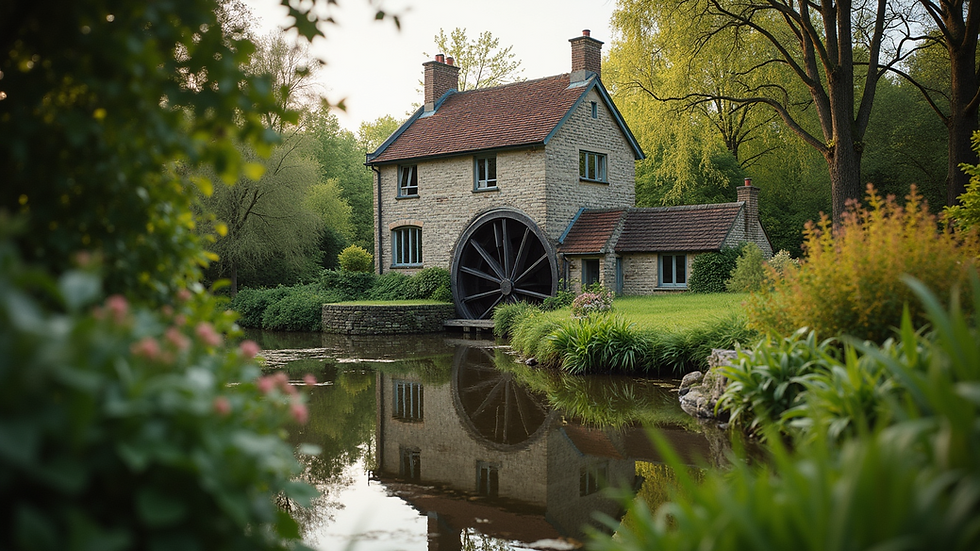
After a dedicated restoration effort, the Old Mill has been transformed into a vibrant community center. The original structure was preserved, with modern amenities added to enhance functionality. The grounds now feature a beautiful garden and picnic area, inviting families to enjoy the space.
Key Features of the Restoration
Preservation of Original Materials: The restoration team salvaged bricks and wood from the original structure, maintaining the mill's historical integrity.
Community Involvement: Local residents participated in the restoration process, fostering a sense of ownership and pride in the project.
Sustainable Practices: Eco-friendly materials and techniques were employed, ensuring the project had a minimal environmental impact.
Case Study 2: The Historic Theater Revival
Before
The Historic Theater had been closed for years, its marquee dark and its seats covered in dust. The community mourned the loss of a cultural landmark.
After
Thanks to a passionate group of volunteers and investors, the theater has been revived as a premier venue for performances and events. The interior has been meticulously restored, preserving its vintage charm while incorporating modern sound and lighting systems.
Highlights of the Revival
Architectural Restoration: Original features like the ornate ceiling and vintage ticket booth were restored to their former glory.
Community Engagement: The theater now hosts local artists and events, becoming a cultural hub for the community.
Economic Boost: The revival has spurred new businesses in the area, contributing to the local economy.
Case Study 3: The Urban Park Makeover
Before
Once a neglected space filled with litter and overgrown weeds, the urban park was an eyesore in the neighborhood.
After
The park has been transformed into a beautiful green space with walking trails, playgrounds, and community gardens.
Transformation Elements
Landscaping: Native plants were used to create a sustainable landscape that requires less water and maintenance.
Community Involvement: Local volunteers helped with planting and maintenance, fostering a sense of community.
Recreational Facilities: New amenities, such as picnic areas and sports facilities, encourage community engagement and outdoor activities.
The Challenges of Restoration
While restoration projects can be incredibly rewarding, they often come with their own set of challenges. Here are some common obstacles faced during restoration efforts:
Budget Constraints: Securing funding can be difficult, especially for large-scale projects.
Regulatory Hurdles: Navigating local regulations and obtaining permits can slow down the process.
Unforeseen Issues: Hidden structural problems may arise during restoration, leading to increased costs and delays.
Tips for Successful Restoration Projects
If you’re considering a restoration project, here are some tips to ensure its success:
Conduct Thorough Research: Understand the history and significance of the structure you are restoring.
Engage the Community: Involve local residents and stakeholders in the planning process to build support and gather ideas.
Hire Experienced Professionals: Work with architects and contractors who specialize in restoration to ensure quality work.
Plan for the Unexpected: Set aside a contingency budget for unforeseen issues that may arise during the project.
Conclusion
Restoration projects have the power to transform not only physical spaces but also communities. By preserving history and enhancing the beauty of our surroundings, these projects create lasting impacts. Whether it’s a historic theater, a community center, or a neglected park, the stories of transformation inspire us to appreciate the past while looking forward to the future.
As you consider your own restoration project, remember the importance of community involvement, sustainable practices, and thorough planning. Every effort counts in creating spaces that reflect our shared history and values.


Comments